Find your expert.
Fix your problem.
Breathe easy.
It only takes a few seconds.
Signs of Foundation Failure
Your home's foundation is arguably its most important component.Thankfully, most foundation problems can be repaired using the latest technology and techniques. In fact, in many cases, your home's foundation can be stabilized permanently, so you can restore your home's value along with your own peace of mind.
Foundation Failure
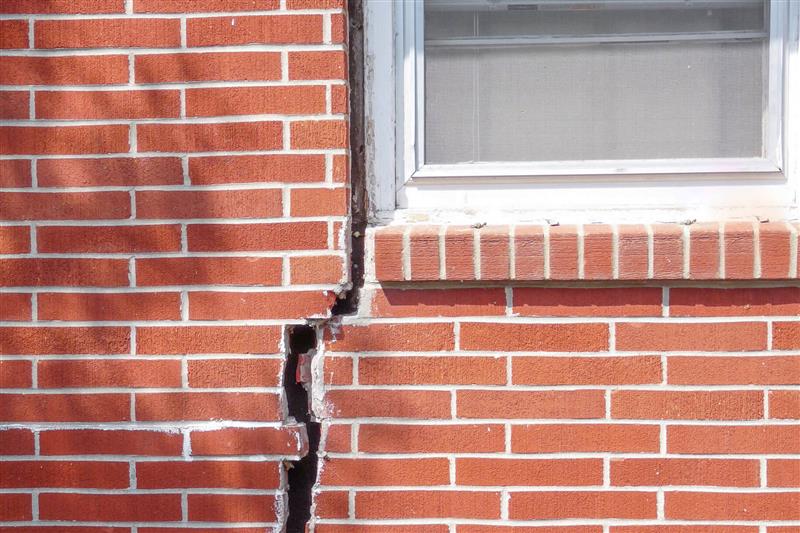
Cracked Brick
When a foundation settles, it often does so unevenly. This puts stress on the mortar joints between your home's exterior bricks, which can fail and result in what is known as stair-step cracking.
Learn More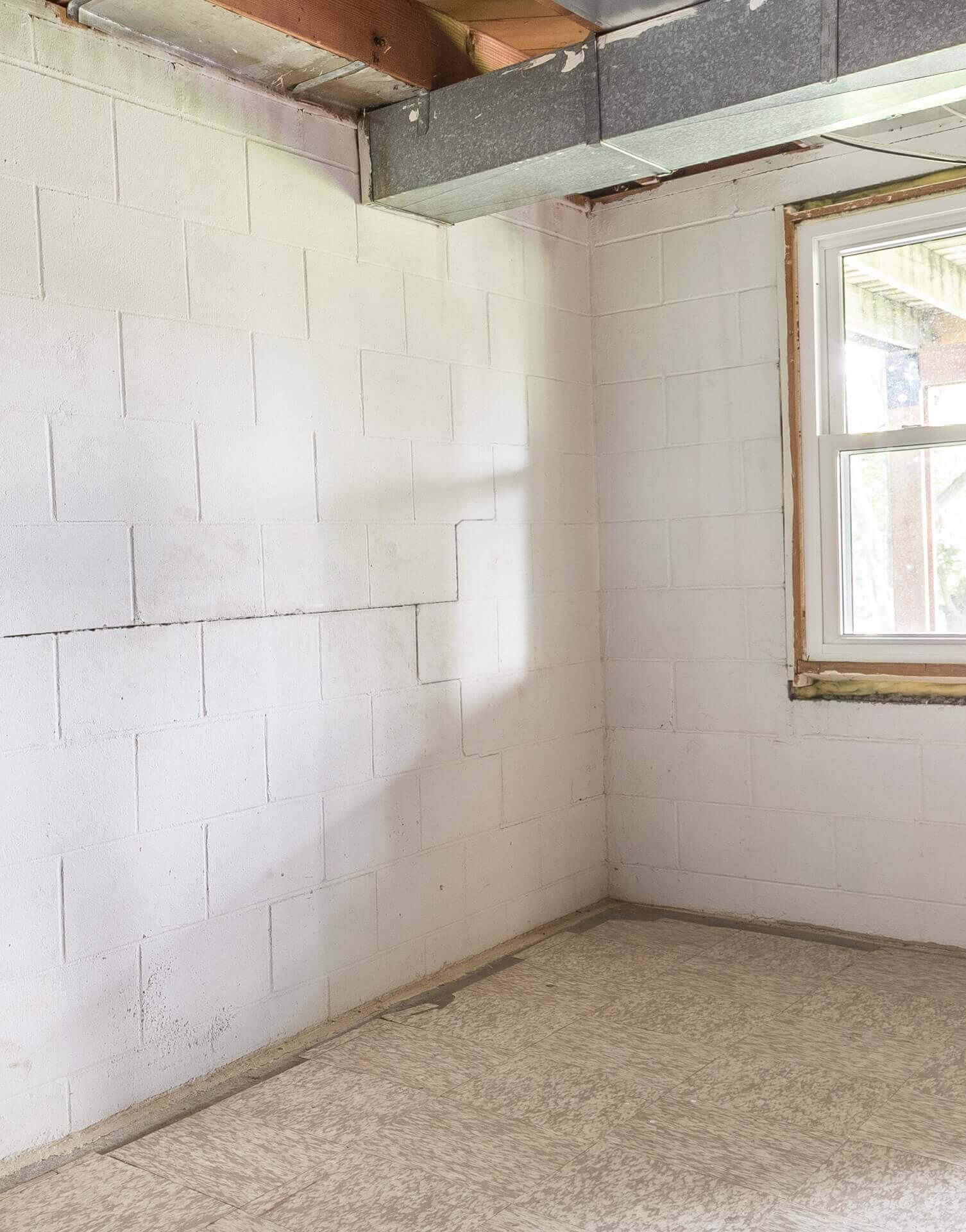
Foundation Failure
Bowing Walls
Because poured concrete walls act as a single unit rather than a group of mortared blocks, they often fail at the top instead of cracking and bowing in. The failing wall breaks free from the rest of the structure, leaning in from the top.
Learn More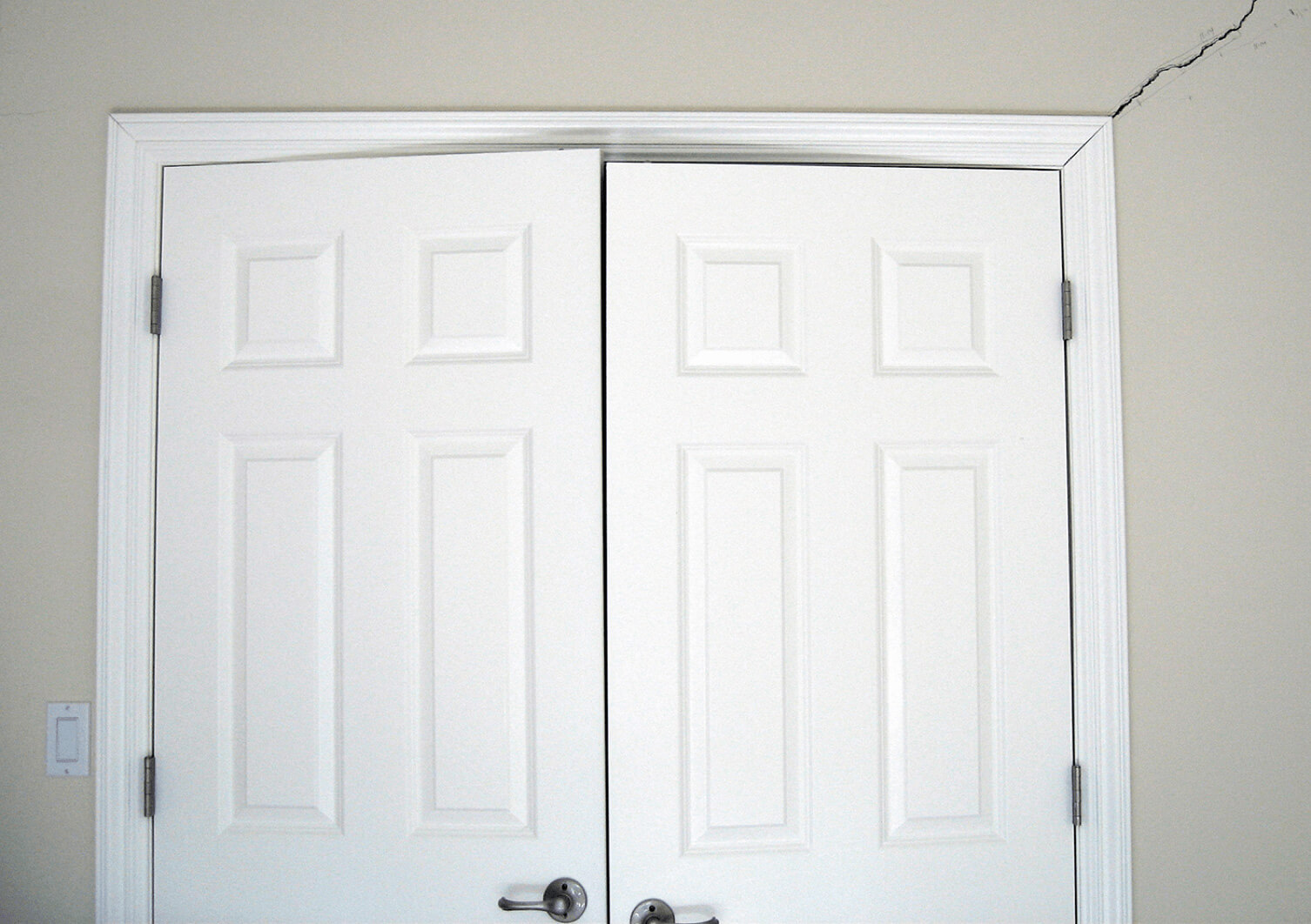
Foundation Failure
Cracks Near Frames
When poor soil conditions begin to affect your foundation, your home can settle - often unevenly - putting stress on the entire structure. The first telltale signs often appear as gaps in the weak areas around door and window frames.
Learn More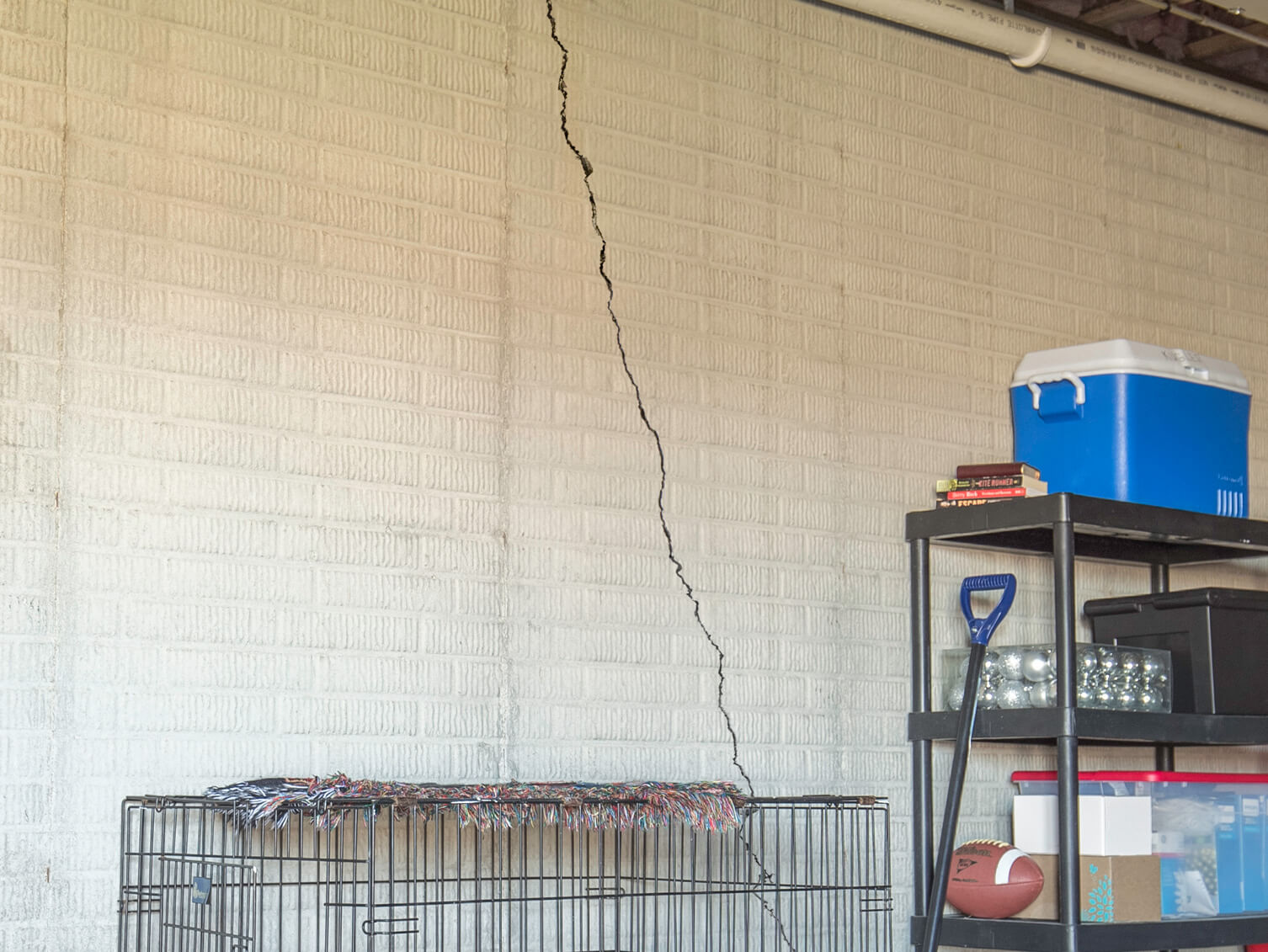
Foundation Failure
Cracked Poured Walls
When the pressure from the surrounding soil becomes too much for a poured concrete wall to bear, on rare occasions it can crack. Unlike a block wall, a poured wall will usually exhibit cracks that extend diagonally towards its upper corners.
Learn More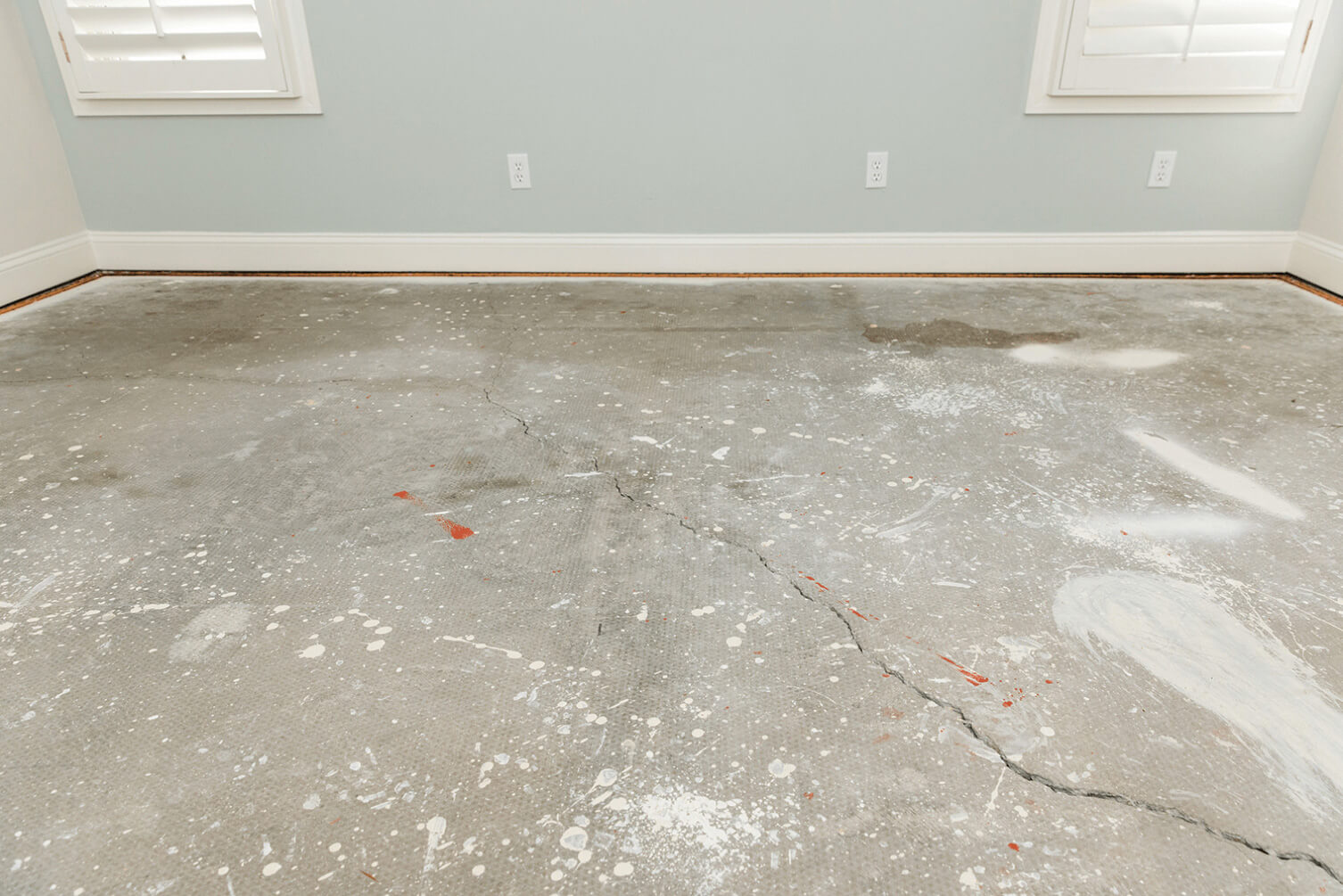
Foundation Failure
Floor Gap
Just as a ceiling can pull away from an interior wall, so too can a floor, leaving a telltale gap. This occurs when a home's foundation has sunk unevenly, putting stress on the structure above.
Learn More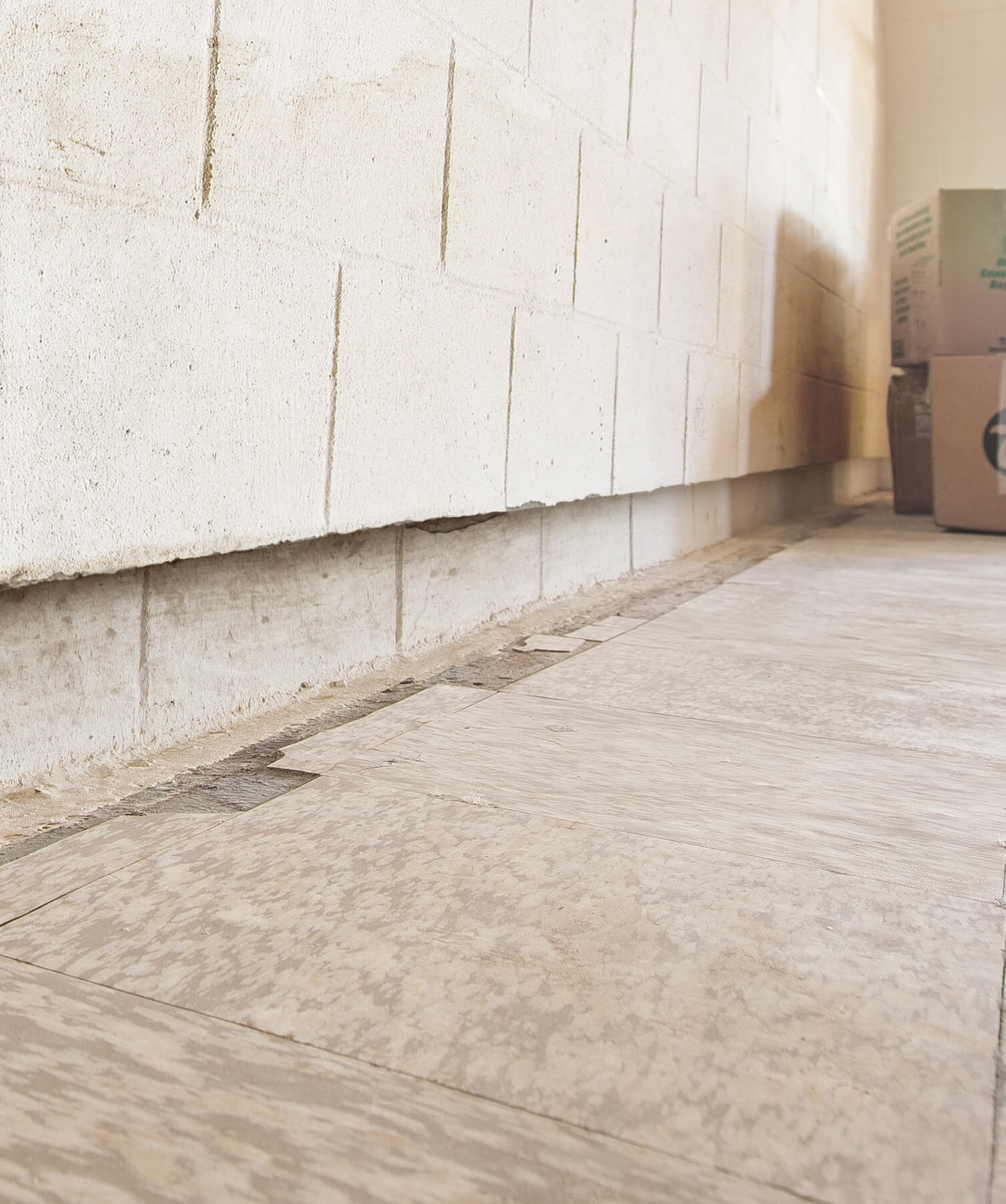
Foundation Failure
Shearing Walls
Because poured concrete walls act as a single unit rather than a group of mortared blocks, they often fail at the top instead of cracking and bowing in. The failing wall breaks free from the rest of the structure, leaning in from the top.
Learn More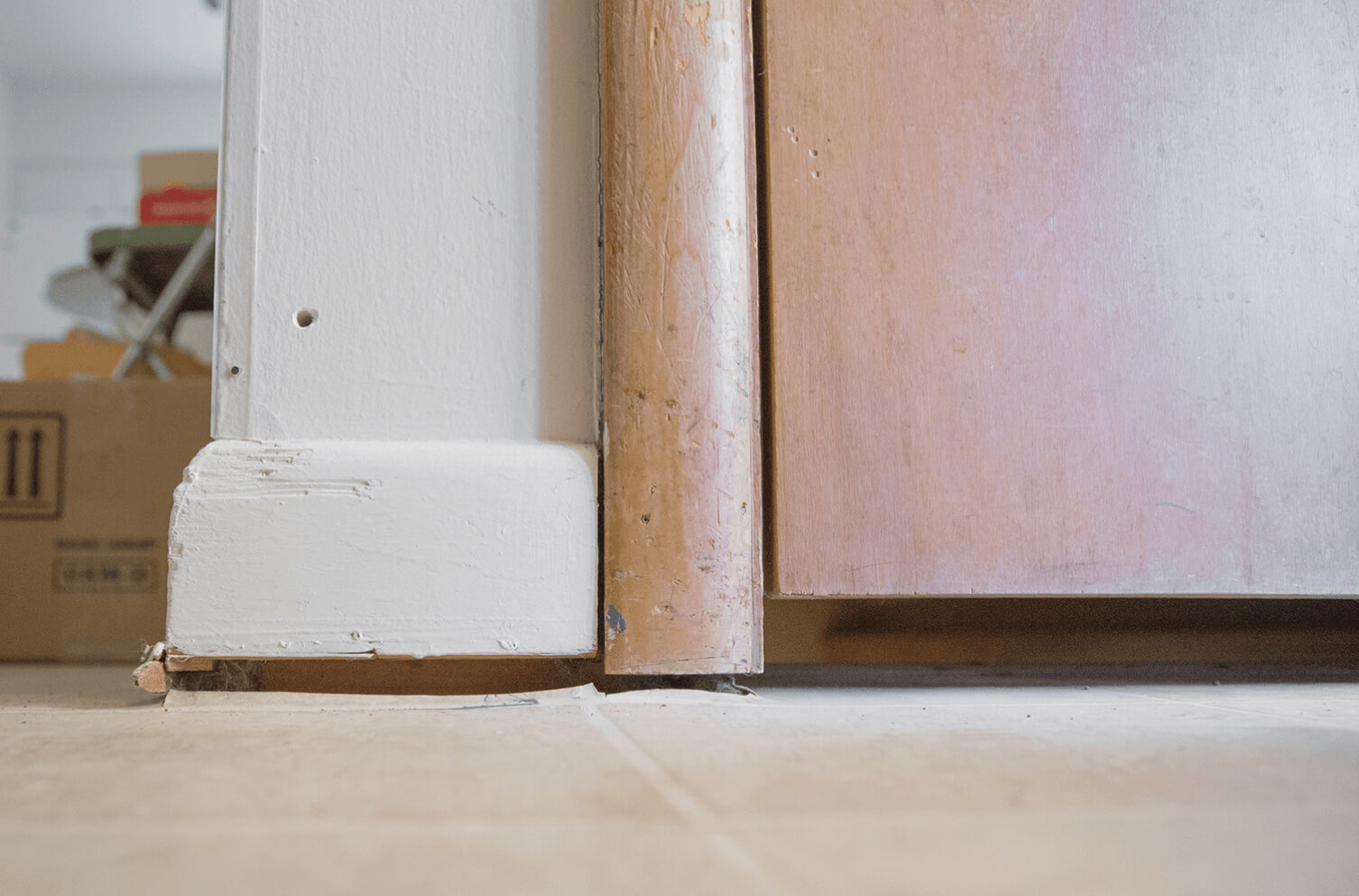
Foundation Failure
Sagging Floors
If your floors sag or are "bouncy," it's likely that there is an issue in the crawl space beneath them. Often this can be attributed to foundation pillars that have settled into poorly compacted or otherwise incompetent soil.
Learn More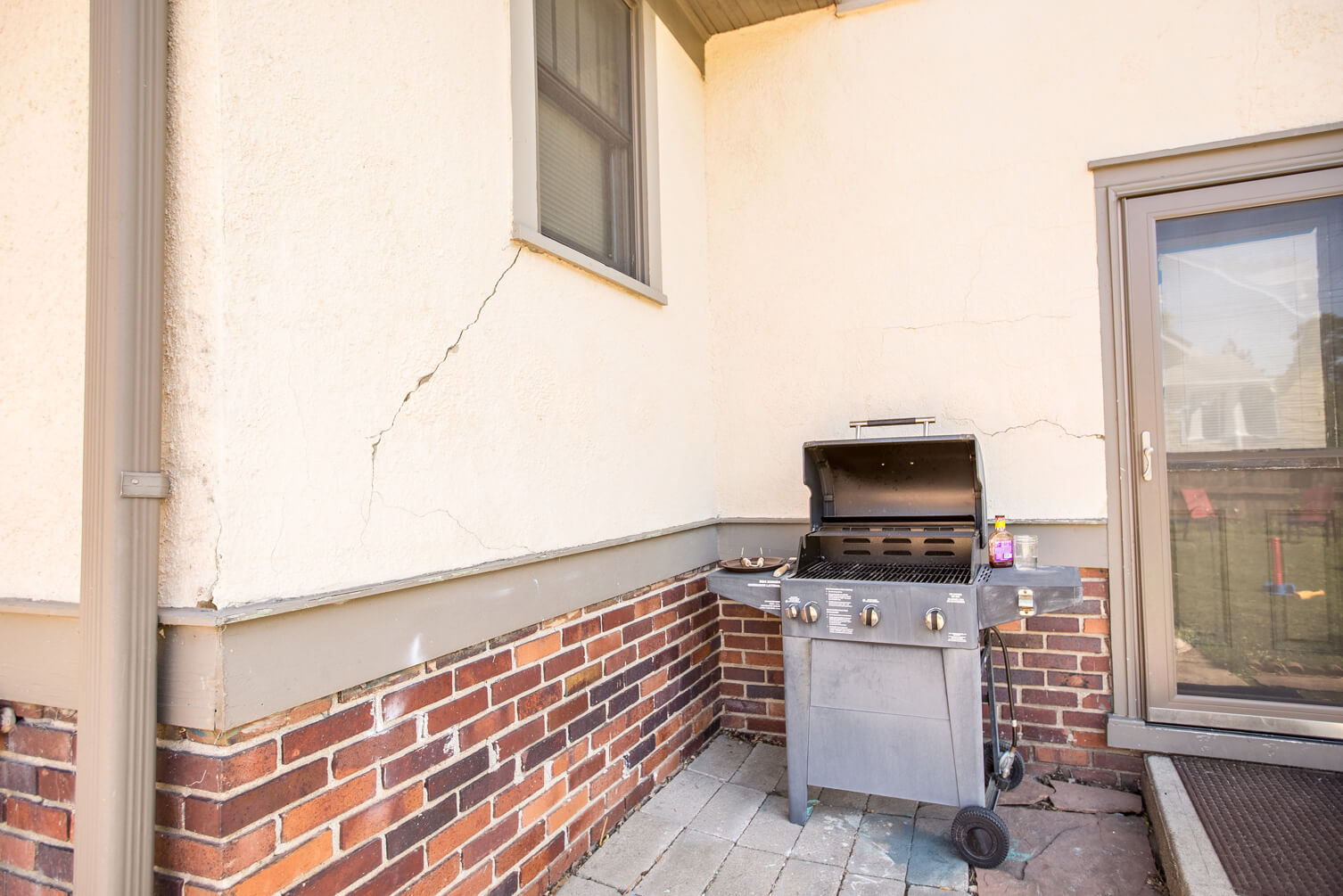
Foundation Failure
Cracked Stucco
As with a brick exterior, stucco can crack under stress as a home's foundation sinks in an uneven manner. Instead of simply being patched, the underlying issue needs to be addressed to prevent future problems.
Learn More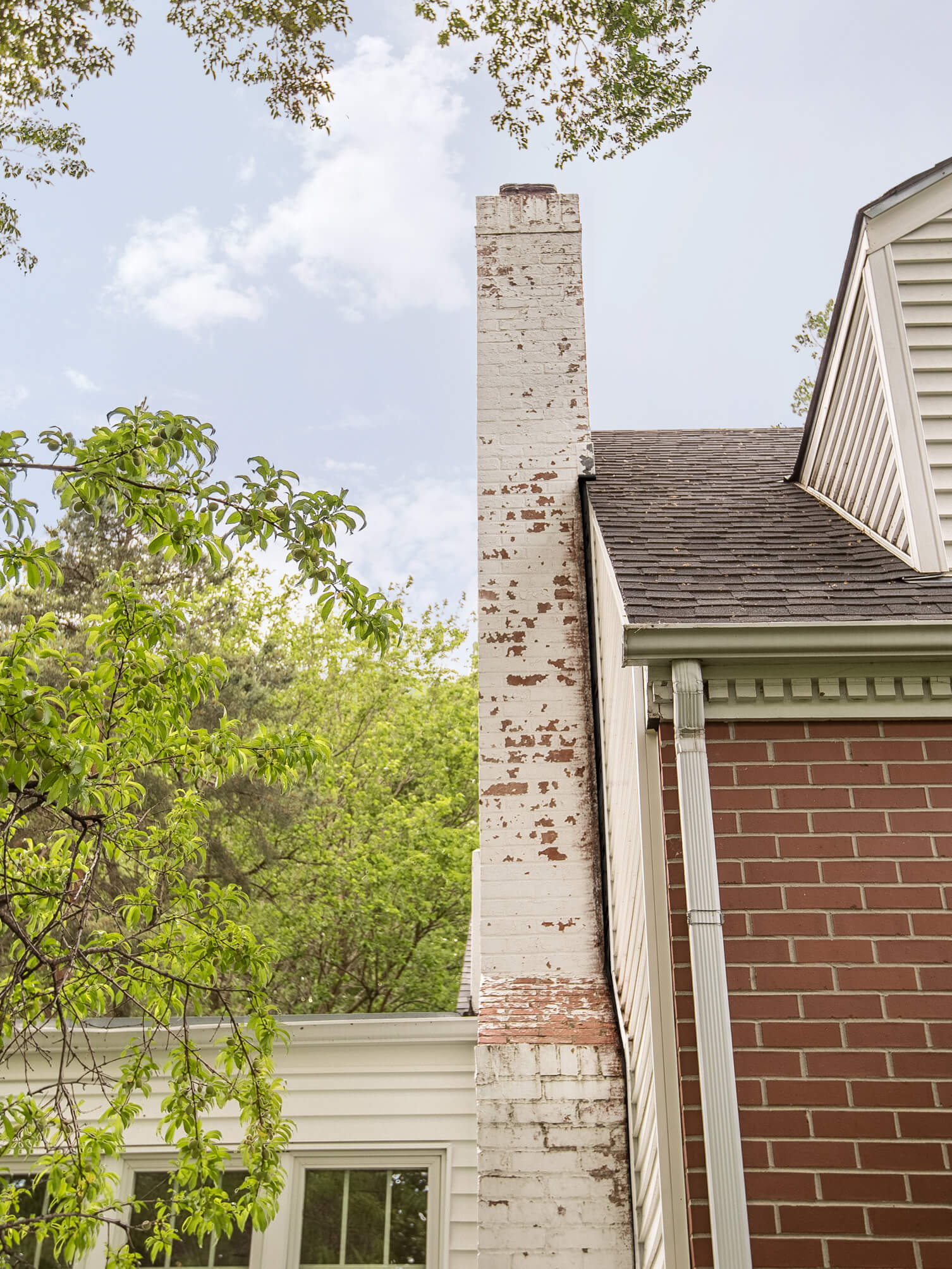
Foundation Failure
Chimney Separation
One of the most visible and dramatic signs of foundation settlement is a chimney separating from the house. This often occurs when the home's foundation sinks at a different rate than the chimney's foundation.
Learn More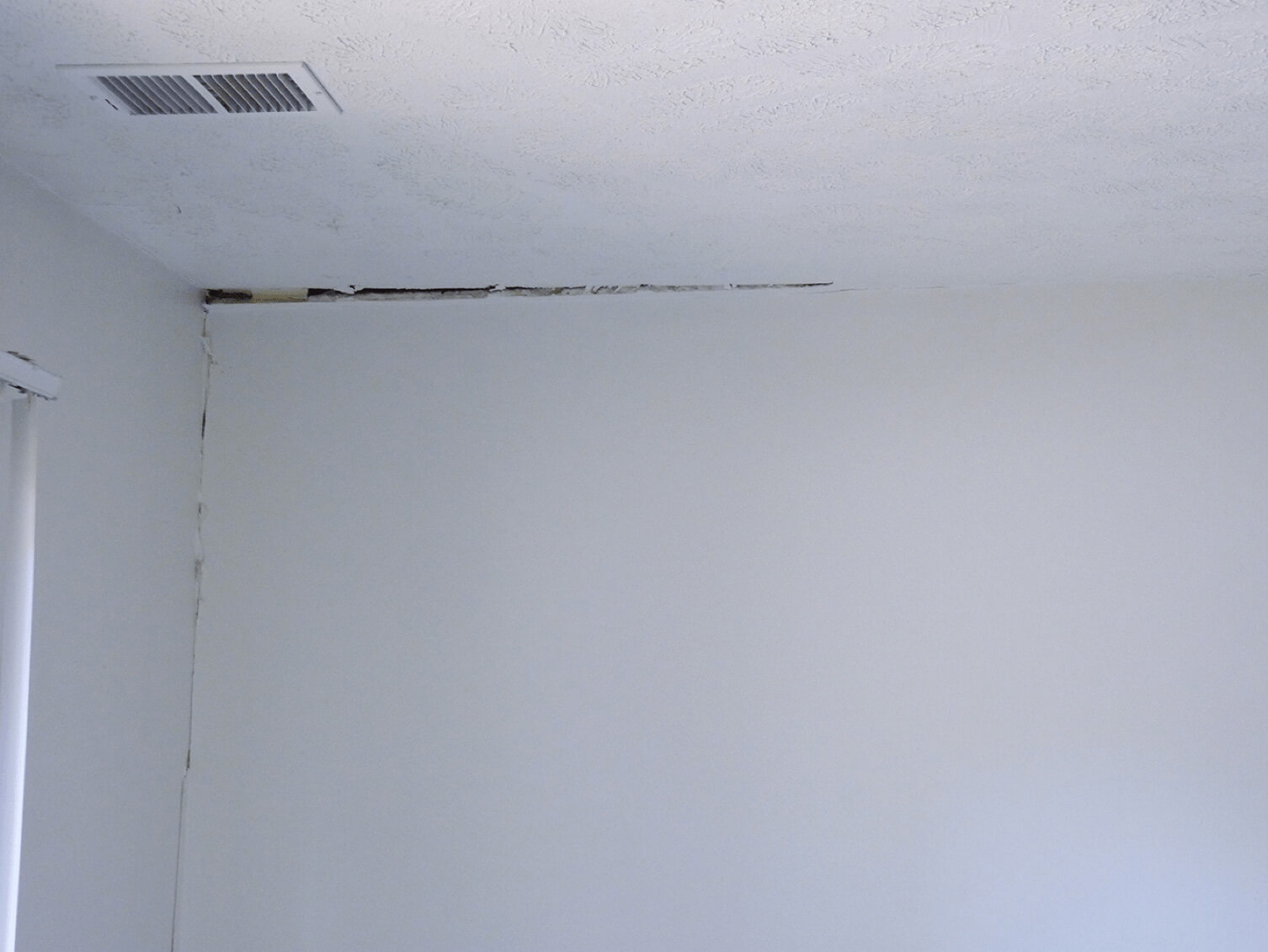
Foundation Failure
Ceiling Gap
As a foundation settles, it typically does so at an uneven rate. This causes stress on the home above as its frame slowly twists and becomes irregular. One of the signs of this stress is a gap between an interior wall and the ceiling above it.
Learn MoreRelated Content
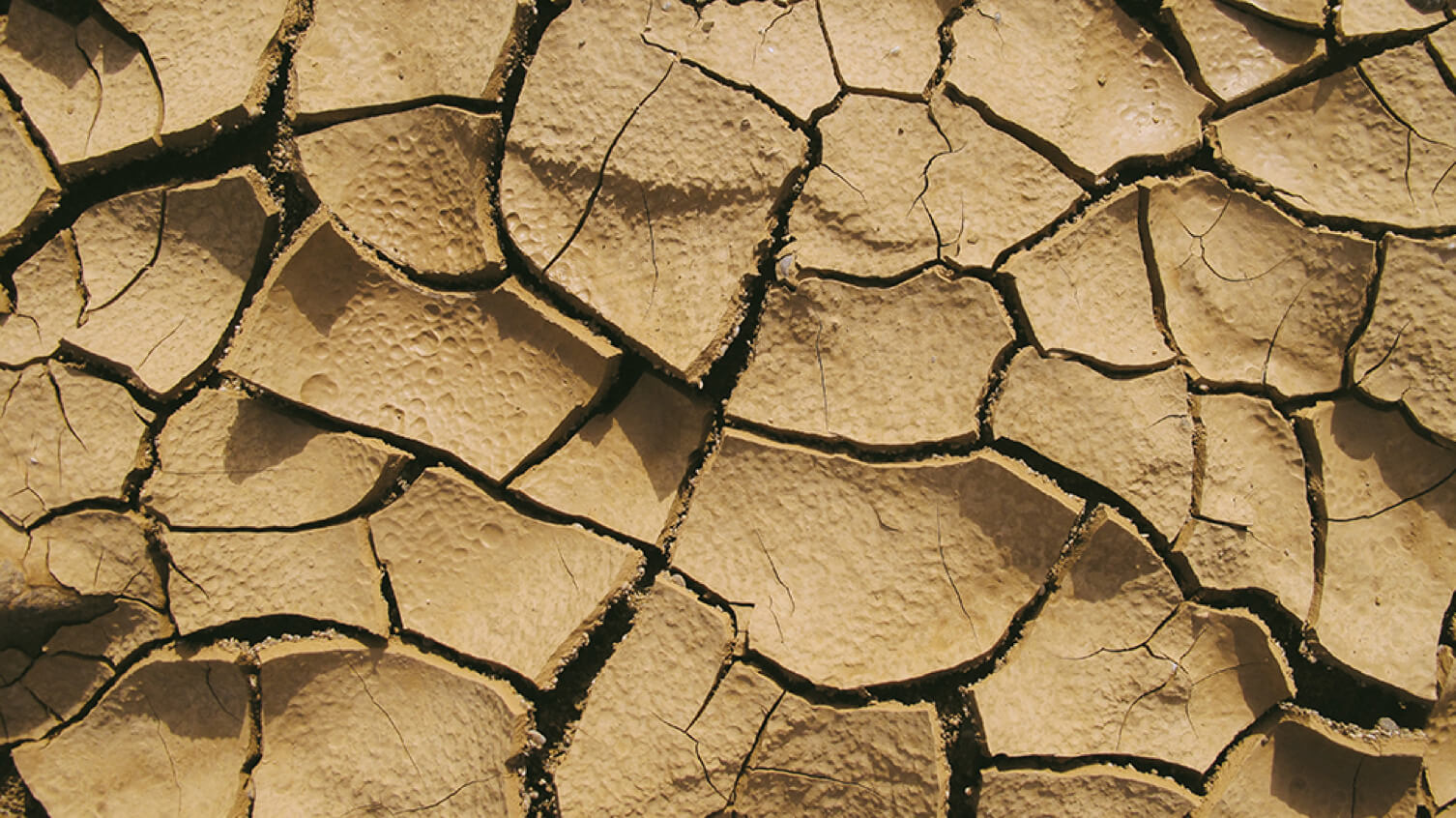
What causes foundation problems?
Foundation and concrete failure are common and so are the reasons behind the failure.
Learn What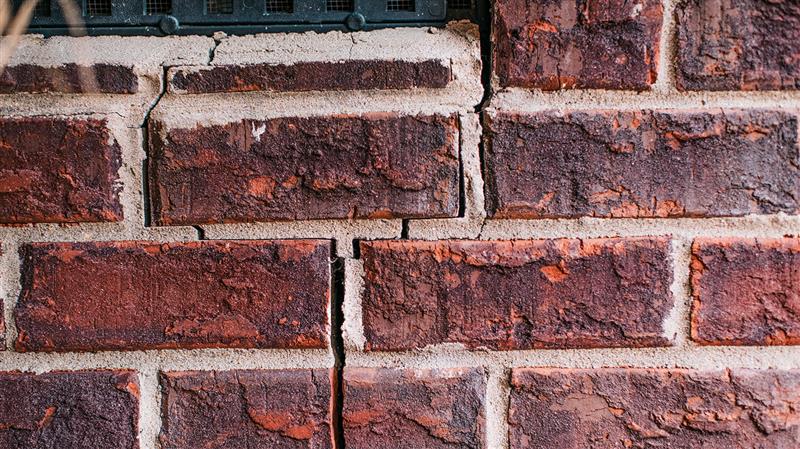
Why fix your foundation problems?
Your foundation problems will never be cheaper to fix than they are today.
Learn WhyFoundation & concrete problems don't get better with time, they get better with us.
Find a foundation repair or concrete company near you to fix them, so you can breathe easy and sleep well tonight. Our specialists will deliver the most precise and competitive foundation repair estimate available.
Looking for a price? Get a no cost, no obligation free estimate.